I finally got around to creating a standalone website for Carpinteria Birdwatchers. In the future Carpinteria Birdwatchers-related content will appear there rather than here:
New Carpinteria Birdwatchers website
Posted May 4th, 2021 by John CallenderSpring Migration: Carpinteria Birdwatchers meeting for Thursday, April 22
Posted April 9th, 2021 by John Callender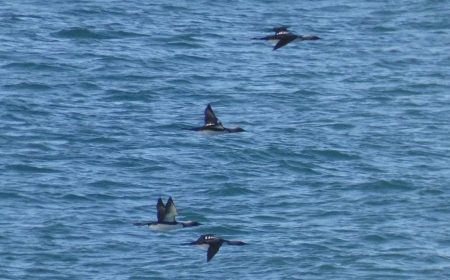
The next Carpinteria Birdwatchers meeting will be about spring migration. We’ll talk about species that are easiest to see in our area in the springtime, like Pacific Loon, Swainson’s Hawk, Rufous Hummingbird, and Nashville Warbler. This year April has five Thursdays, so instead of meeting on the last Thursday of the month we will instead meet on the fourth Thursday of the month: 6:30 p.m. on Thursday, April 22, 2021, which also happens to be Earth Day. Join us then for a celebration of spring birds!
Update: Special guests for this meeting:
- Libby Patten on spring birding by ear.
- Linus Blomqvist on spring migration seawatching.
Zoom meeting info:
Topic: Spring migration: Carpinteria Birdwatchers meeting for April 22, 2021
Time: Apr 22, 2021 06:30 PM Pacific Time (US and Canada)
Join Zoom Meeting
https://us02web.zoom.us/j/84032217885?pwd=dHFvMGFDZExnaXJCY1FUdnBRMUU3QT09
Meeting ID: 840 3221 7885
Passcode: 097373
YouTube livestream:
Links mentioned during the meeting:
- The Montecito Trails Foundation
- Ennisbrook Nature Trail eBird hotspot
- Coal Oil Point eBird hotspot
- Thread about Gaviota seawatching by Wes Fritz, Florence Sanches, and Thomas Turner
- Joan Lentz sbcobirding message about Campus Point seawatching
- Paul Lehman message about south coast seawatching
- Bear Divide migration count
- Bear Divide eBird hotspot
- eBird list from Romero Saddle, April 24, 2020
- The presentation slides for this meeting
Yellow-crowned Night-Herons: Carpinteria Birdwatchers meeting for Thursday, March 25
Posted February 26th, 2021 by John Callender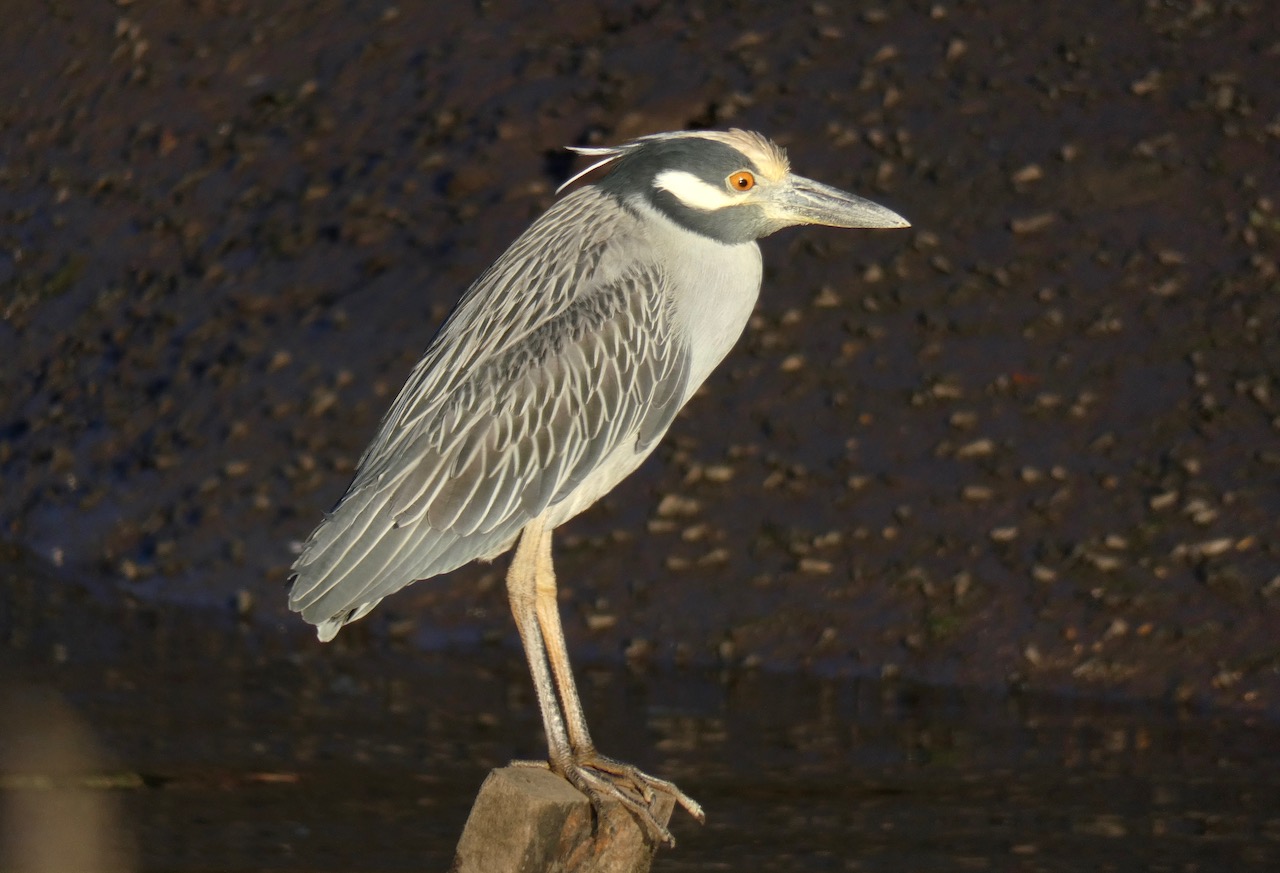 For the next Carpinteria Birdwatchers meeting we’ll be talking about a single species: the Yellow-crowned Night-Heron. Unrecorded in Santa Barbara County until 2010, this species has expanded its range north from Ventura County in recent years and now is regularly seen in the Carpinteria Salt Marsh. Join us at 6:30 p.m. on Thursday, March 25, 2021, to learn more about this fascinating bird.
Update: In the first part of the meeting we’ll be joined by avid birder and UCSB geology professor Bradley Hacker to talk about his bird photography.
Zoom info:
Topic: Yellow-crowned Night-Herons: Carpinteria Birdwatchers meeting for March 25
Time: Mar 25, 2021 06:30 PM Pacific Time (US and Canada)
Join Zoom Meeting
https://us02web.zoom.us/j/83918492387?pwd=WVdLRXBRNnJadnlPK3Z4ZmRTS1B0Zz09
Meeting ID: 839 1849 2387
Passcode: 634360
YouTube livestream:
Links:
Yellow-rumped Warblers: Carpinteria Birdwatchers meeting for Thursday, February 25
Posted February 8th, 2021 by John Callender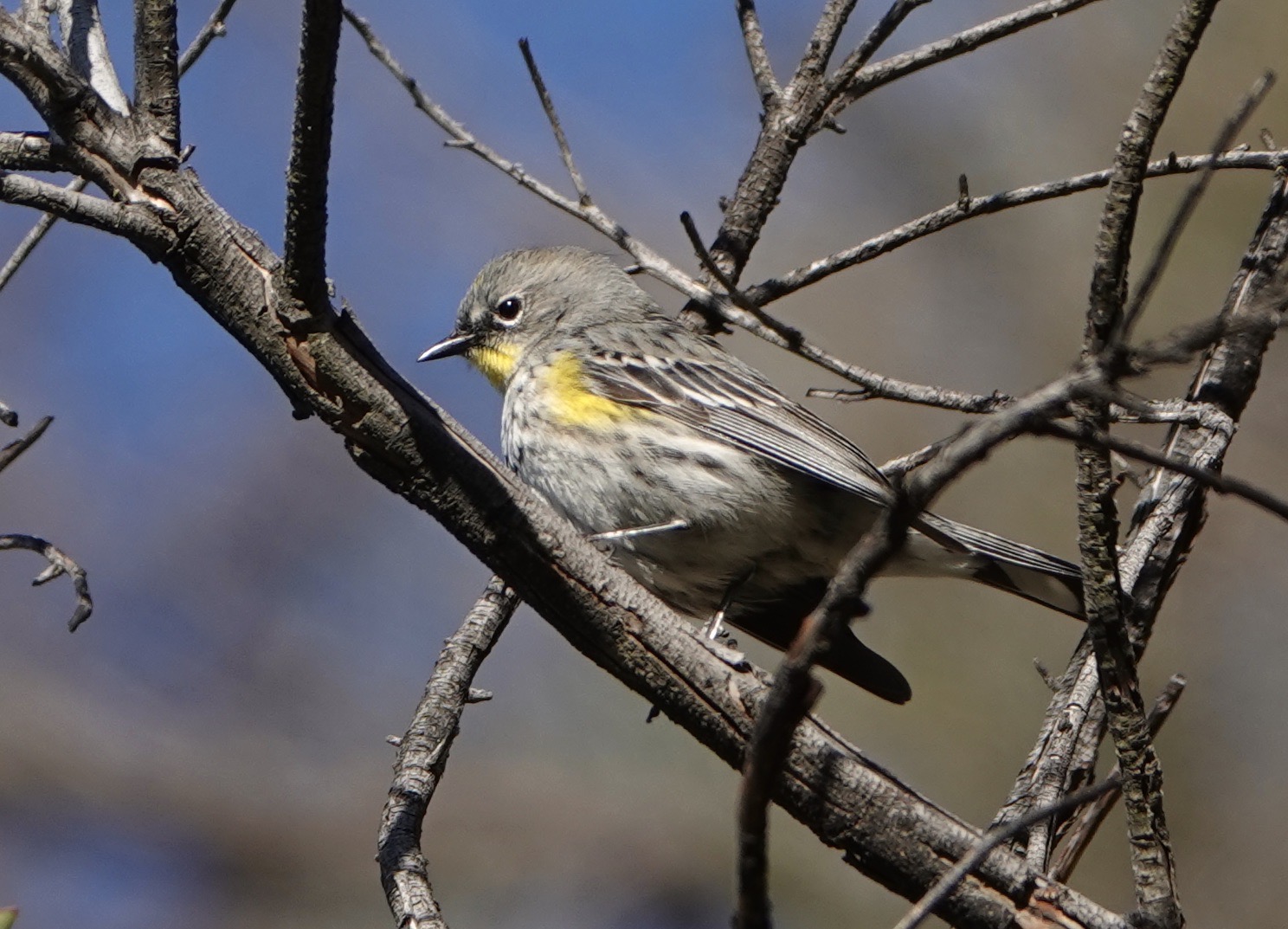 For our next online meeting we’ll be talking about a single species: the Yellow-rumped Warbler. When other warblers leave our area to migrate south Yellow-rumps are just arriving, and they add color and variety to local birding throughout the winter months. Join us at 6:30 p.m. on Thursday, February 25, 2021 to learn more about these adorable “butter butts.” I hope to see you there!
Update: Our special guest for the meeting will be Rebecca Coulter, compiler for the Santa Barbara Christmas Bird Count and teacher of birding classes for the Santa Barbara Museum of Natural History, SBCC School of Extended Learning, and the Botanic Garden.
John Callender
Zoom meeting info:
Topic: Yellow-rumped Warblers: Carpinteria Birdwatchers meeting for February 25
Time: Feb 25, 2021 06:30 PM Pacific Time (US and Canada)
Join Zoom Meeting
https://us02web.zoom.us/j/81568980785?pwd=NVRza2dCYkZmbGlQQWVKUStBR1lNdz09
Meeting ID: 815 6898 0785
Passcode: 378579
Links mentioned during the meeting:
Winter Orioles: Carpinteria Birdwatchers meeting for Thursday, January 28
Posted January 15th, 2021 by John CallenderGreetings, Carpinteria Birdwatchers. I hope that you’re doing well and like me, are looking forward to some great birdwatching in 2021.
I want to announce a few changes I’ll be making this year:
- I’m going to reduce the frequency of our meetings to once per month. I’ve recently started working on a new nature festival that will take place in Carpinteria in March of 2022, and realistically I think once per month is the most I can comfortably do in terms of Carpinteria Birdwatchers meetings.
- We’re going to change the time of the meetings to 6:30 p.m. This will hopefully make it easier for people with work schedules to participate.
I look forward to when we can go back to doing in-person meetings and outings, but for now we’ll be staying with online meetings via Zoom. With that said, I have a few ideas for ways to keep the meetings fun: More interactivity, with opportunities for participants to share; more guests; and shorter segments focusing on just a few birds, rather than trying to cover whole families.
Our first meeting of 2021 will be on Thursday, January 28, 2021 at 6:30 p.m. The topic will be: winter orioles.
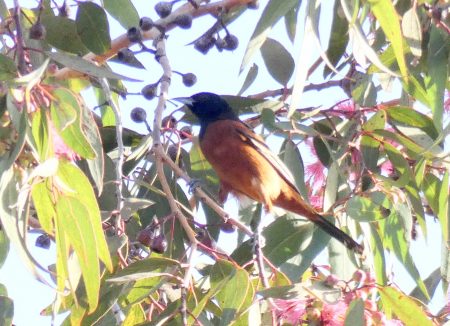
We usually see orioles in the summer, but every winter a few birds stick around our area, taking advantage of non-native vegetation that provides the nectar they need to get through the winter. We’ll talk about which species are around, where to see them, and how to identify them.
We have a very special guest lined up for this meeting: Paul Lehman, author of The Birds of Santa Barbara County. I’m very excited to have Paul in our meeting.
See you there!
— John Callender
Zoom meeting info:
Topic: Winter Orioles: Carpinteria Birdwatchers meeting for January 28, 2021
Time: Jan 28, 2021 06:30 PM Pacific Time (US and Canada)
Join Zoom Meeting
https://us02web.zoom.us/j/87251581807?pwd=cFJJNWFnMWFObU96WE1IWm10K1c3QT09
Meeting ID: 872 5158 1807
Passcode: 870329
Links mentioned during the meeting:
- The Great Backyard Bird Count, February 12-15, 2021
- Paul Lehman’s bio for WINGS Birding Tours
- Downloadable edition of The Birds of Santa Barbara County
- Our previous online meeting about tanagers and orioles, from April 23, 2020
- You can view the presentation slides from the meeting